Whole House Rewiring in Wellington, CO

Phase Conversions
Professional Electrician

Replacing Aging Wiring From End to End, Serving Northern Colorado and Cheyenne, Wyoming

Rewiring a house is not a small job, and any electrician who pretends otherwise isn’t being straight with you. It means pulling out the old wiring behind your walls and replacing the whole system, the cabling, the outlets, the switches, and usually the panel too, so your home runs on something built for the way people actually use electricity now. It’s a real project. When a home needs it, though, there isn’t a shortcut that does the same thing.

At Daniels Electric we take on full rewires for homes across Wellington, the wider Northern Colorado region, and Cheyenne, Wyoming. A lot of the housing stock around here has some age to it, and older wiring wasn’t designed to carry the load a modern household throws at it. That mismatch is where the trouble starts.

Signs a Home Is Ready for a Rewire

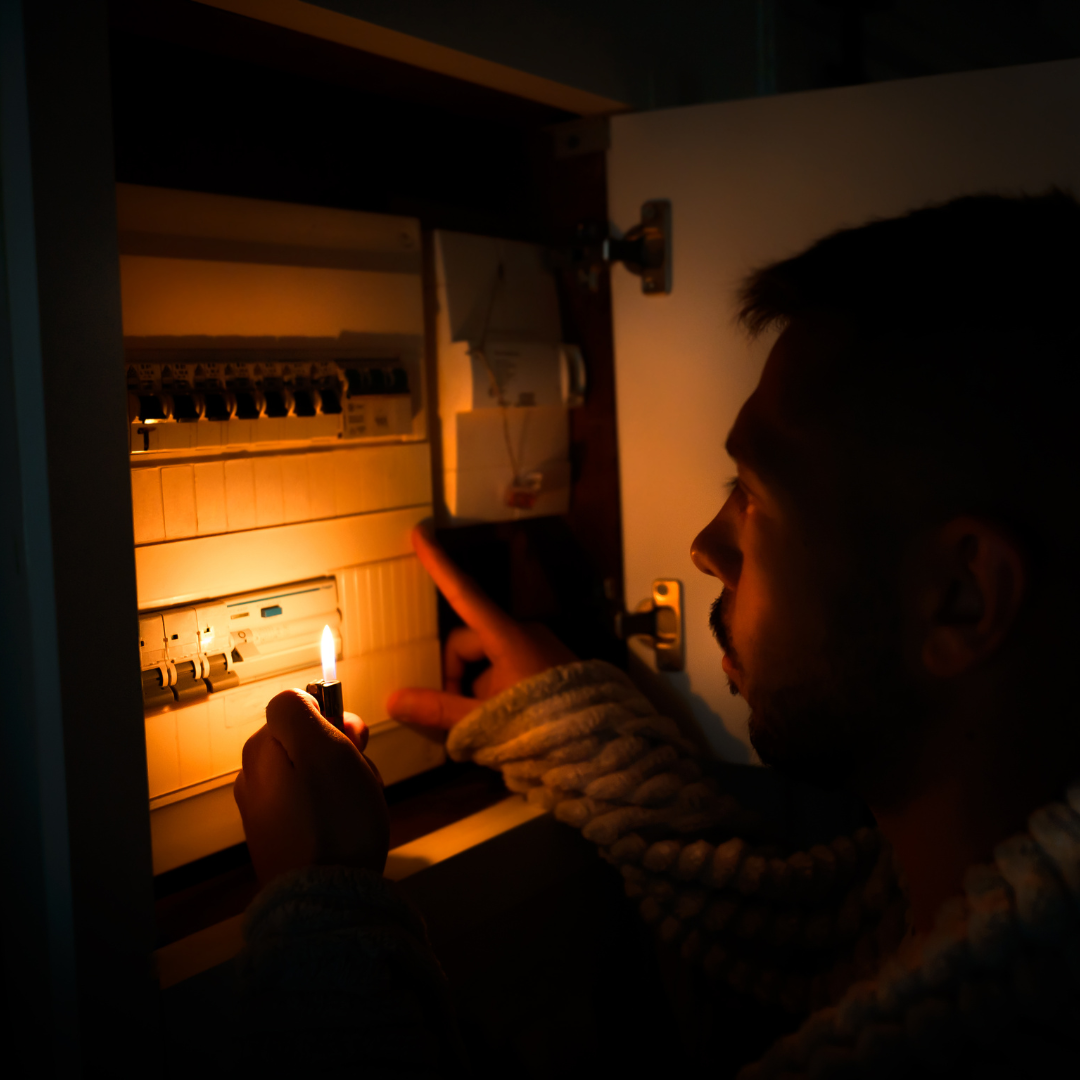
Most people don’t wake up one day and decide to rewire. It builds. Breakers that trip when a couple of appliances run at once. Outlets that only work sometimes. Lights that dim when the furnace kicks on. Two-prong outlets in every room. A panel that’s clearly maxed out with no room to add anything. On their own, any one of these might be a small fix. Together, they usually point to a system that’s simply reached the end of what it was built to do.

Then there’s the wiring itself. Knob and tube, which you still find in some of the oldest homes in the area, has no ground and doesn’t handle modern loads safely. Aluminum branch wiring from certain decades has a habit of loosening and overheating at the connections. Cloth-insulated cable gets brittle and cracks with age. When we open up a wall and find one of these, the conversation shifts from patching problems to replacing the system, because you can only chase individual faults for so long before it stops making sense.

Power Outages Northern Colorado

What the Work Actually Involves

Every rewire we do starts with a real look at what’s there. We check the panel, trace the circuits, and get into the attic, crawlspace, and wherever else the wiring runs to understand what we’re dealing with before we quote anything. From that we build a plan: where the new circuits go, how many you need, where you want outlets and switches added, and what the panel has to become to support all of it. You tell us how you live in the house, and we design around that rather than just copying the old layout.

We handle the permits and coordinate the city inspections, so you’re not sitting on hold with the building department trying to decode requirements. That’s part of what you’re paying a licensed contractor for.

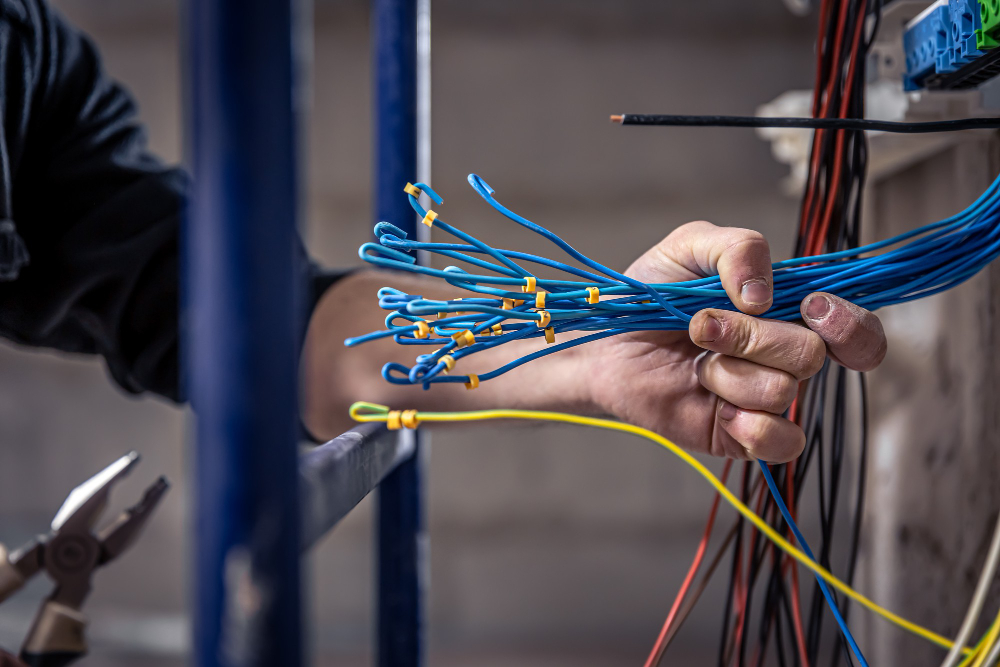
The hands-on work happens in stages. Power comes off, old cable comes out, and new wiring gets run through the walls, ceilings, and floors. This is the slow part, threading cable through framing and tight spaces, and it’s where the bulk of the time goes. Once the new wiring is in and connected, we bring the panel up to a size and standard that matches the load, add GFCI and AFCI protection where code calls for it, and set up dedicated circuits for the heavy hitters like the range, HVAC, laundry, and any home office equipment that shouldn’t share a line. Then new outlets, switches, and covers go in throughout.

Nothing gets signed off until it’s tested. We check the circuits ourselves, then the city inspector reviews the finished work against the approved plan and closes the permit. That final sign-off is your proof it was done right.

Living in the House While It Happens

We’ll be honest with you about this part upfront, because surprises here are the worst kind. Rewiring means the power is off while we work, and depending on the size of your home and how the circuits are laid out, that can mean anything from limited power on essential circuits to needing to make other arrangements for a stretch. How long depends on the house. A straightforward layout moves faster than one that needs walls or flooring opened up and patched afterward. We’ll give you a realistic timeline and tell you what to plan for before we start, not halfway through.

Why It's Worth Doing

A rewire isn’t glamorous. You spend real money on something you can’t see once the walls are closed. What you get is a house that isn’t a fire risk waiting on a loose aluminum connection, one that can run everything you plug into it without the breakers fighting back, and a system that will still be sound decades from now. It also matters at resale. Buyers and inspectors notice modern wiring and a proper panel, and they notice the absence of it even more.

FAQs

It comes down to whether the problems are isolated or systemic. A few worn outlets is a repair. Recurring trips, an overloaded panel, and old wiring types like knob and tube or aluminum usually mean the system as a whole is the issue. Our inspection tells us which.
It depends on the size and layout of the home and whether walls or floors need to be opened. We’ll give you a specific estimate after we’ve seen the property rather than a generic range.
Not always. Sometimes we can keep essential circuits live while we work in stages. For some homes and timelines, other arrangements make more sense. We’ll tell you which applies to yours before we begin.
Yes. We pull the permits, coordinate with the city, and schedule the final inspection so the work is properly documented and closed out.
We work to minimize wall and ceiling openings, but some access is unavoidable to run new cable. We’re upfront about where openings will be needed and what patching is or isn’t part of the scope.

Call Daniels Electric to Talk Through Your Rewire

If your home is fighting you with tripped breakers, dead outlets, or wiring you know is past its prime, a full rewire may be the fix that actually solves it. Contact Daniels Electric at (970) 690-4238 and we’ll come look at what you’ve got, explain your options honestly, and give you a clear plan and estimate before any work starts.

Scroll to Top